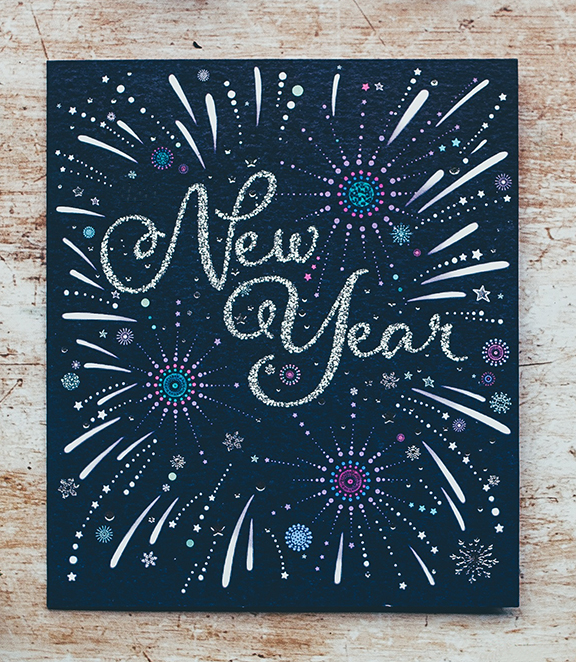
A different kind of top-10 list

With the holidays upon us and the last days of the year winding down, top-10 lists will soon start showing up. We have all seen the typical lists of the top-10 films of the year, the top-10 world events, etc. In thinking about top-10s — which for me would include things like a significant birthday celebrated, the marriage of my nephew, coaching remarkable and inspiring clients, and a memorable trip to Paris — I decided to be grateful for all of those things, but to take a little different approach to thinking about how I want to compile my top-10 this time around.

I am thinking about the top 10 things I have learned that I want to take into the new year.

1. To start, I’m focusing on what I want to leave behind from this last year.

By reflecting on what went well and what things went awry this year, I will be able to leave behind habits and practices that I know do not serve me well. This will open the way for more of what I want to bring into my new year. What will I leave behind? For one, timidity. I have learned that when I take a step that feels big, and even a bit scary, it's always better than shrinking back. I will also no longer chase after every interesting idea I get or every opportunity that comes my way. I’ve learned that these distract me from my big priorities. Do you get the idea?

2. After reflecting on my last year, I will decide on the key things I want to create in this coming year and I will choose a word for my year.

When I have clearly defined my top priorities, for my personal life and my work, selecting a word that will guide me will follow. (I wrote about choosing a word of the year last December, and many people wrote to tell me they carefully chose a word to guide their year, too.) I learned that having my word was meaningful and inspiring, and that it was great to post my word where I saw it daily. I know this year’s word will help me to be focused and on-target, both with my new priorities and with how I want to live.

3. I will celebrate my achievements in this year and commit to celebrating my coming achievements in the new year.

We often lose sight of the things we have accomplished and achieved as we rush through our days — especially the small things that can have so much meaning. When we take the time to savor and celebrate ourselves for our successes, and celebrate things what we might overlook (such as trying out something new that is not a sure bet, or having a tough conversation rather than avoiding it), we encourage ourselves, and can appreciate that we are learning new skills and are growing in important ways.

4. I will make my visions visible.

For me, this includes making a vision board every 3 to 6 months. Creating a vision board is an incredible process, and the completed board provides a way for me to look at what I want to bring into my life on a daily basis, so I do not lose sight of what I want to manifest. Making things visible also includes writing down the top three things I will commit to each week and posting the list where I will see it often. The act of committing things to paper, and seeing them, is powerful.

5. I will get more help and support.

Last year I began to work with a great bookkeeper and wondered why I had waited so long to do that. My coaches are a big part of my support system, and I look forward to continuing my work with them. This year, I will begin to work with a virtual assistant to free me from daily tasks that take time away from doing the things that matter most to me and things that only I can do. I will also do more work with a great professional organizer to start the year with an updated filing system for my business, and to help me clear accumulated clutter in my office and home. And, I will think about other kinds of help and support I can enlist to make this a great year.

6. I will have weekly Accountability Calls with a colleague.

This is a practice I started in last year. In every call, we each report on what we accomplished in the past week, where we struggled, and what we learned, and we declare our top three priorities for the coming week. We close by picking a word to be our theme for the week. This has been a remarkable practice.

7. I will take excellent care of myself.

Having experienced a series of health challenges this year that are now, happily, resolved, I am well aware of the importance of careful self-care. I will pay special attention to what I eat and to my exercise routine. I will create a new daily practice that includes quiet meditation each morning, so that I will be centered, calm, and clear as I start each day. I will be tuned in to what causes me stress, and work to reduce those influences — and I’ll actively clear any stress that does come up.

8. I will show up, engage in constructive conversations, and take action related to civic causes about which I care deeply.

Current political developments are calling me to think creatively and partner effectively to be a force for sustaining and improving civil rights, ensuring social justice, building tolerance, protecting the environment, and more.

9. I will create as never before.

I know that when I write from my heart, and when I paint, and when I think creatively, and when I experiment freely, my life is enriched. Difficult emotions are transformed, I am fueled and inspired, I learn and grow, and I engage with others in amazing ways. I will also visit museums and galleries, attend live theater, music, and dance performances, and read as many great books as I am able. Creativity that I engage in and that I experience connects me to big, new ideas and accelerates inspiration.

10. I will live with love as a driver.

I know that love is powerful and positive, and that is what I want to be. I know that love is an antidote to fear and anxiety. So, I will continue to make “love” my watchword, as I have been especially focused on doing recently. I will check in with myself and ask if I am I serving myself, my family, my clients, my community, and the world with a full heart, and if I am modeling love and tolerance for those around me.

I am looking ahead to the next year with the desire to live bigger than ever. That desire informed my top-10 list entries. What will you include on your forward-looking top-10 list? How will you create the best year ever?

Let me know if you are making a top-10 list, and what your list (or lists) include. I would love to hear your thoughts on the topic.

All my best wishes for the upcoming holidays and a BIG and happy year. Let's all look ahead to a year filled with love, creativity, joy, abundance and peace.
Endings and beginnings

Here we are in mid-December. As we count down the last weeks of the year, and before we get to New Year's Eve resolution-making, it's a perfect time to think about what you want to STOP doing in order to open up space to create in big and new ways in the coming year.

What will be your big YES? What have you been wanting, or trying, or yearning to do but not been able to make it a reality or bring it into full flower? What is calling for your attention and exploration?

Has something gotten in your way of going after this big desire? Have you been pulled in too many directions? Have you avoided really going for it out of fear or doubt? These are big and important questions to ask yourself. And, this an excellent time to give yourself space to getting clear about what has been getting in your way.

Consider what changes you can make that will make space for focused action to fully realize your big YES for the new year. They may be small changes, like starting your day in a new way, or getting more sleep so you have more energy. You may realize you need to become more alert to things like not getting sucked in to long conversations that drain you, or not letting yourself go down social media rabbit holes. Making small changes can have a big impact.

And, be aware that to say "YES" to something important you want to realize in your life, you must be ready to say "NO" — a lot. In addition to saying "no" to things and habits that you want to shift away from, you will find that you have to say "NO" to interesting ideas that will pop up, or opportunities that will come your way. As interesting as they are, they will distract you from your big YES. A big YES demands time and attention to become a reality. It's not always easy to say "No" to great things, but when you are really clear and committed to your "yes,” you'll find you can more easily say "no.”

Take a little time during the last days of the year to ponder these ideas. You may want to do some journal writing to explore these questions. You can talk about your ideas with a trusted friend, or consider partnering with a friend so you can support one another to do this important thinking and planning.

Wishing you a new year of clarity and focus. I'd love to hear about your big YES and how you are going for it!

Our challenges can be our greatest teachers

I recently wrote about how you can deal with set-backs, which are inevitable in life. As a nation, at this moment, many of us are feeling like we are experiencing an emotional setback, feeling significantly challenged. I’ve been grappling with and thinking a lot about how we respond to challenges that are big, small, or huge.

Our typical challenges can be related to something like working on an important project and finding things going well, but then suddenly getting paralyzed and feeling unsure about how to get going again. Or, maybe you’ve had a great idea, done your thinking, research, and planning to implement it, and then have found it daunting to get started. Or, you’ve been offered a great opportunity and feel thrilled, but then a deep freeze overtakes you just when you need to take action.

You may be reflecting on a day-to day challenge, or you may be contending with a more emotional and existential challenge — like the fear and anxiety that have come up for so many people after an election result that feels frightening and overwhelming.

It is easy to find yourself in such situations, and to respond in ways that do not serve you. Sometimes we beat ourselves up, letting our self-critic go wild. Responding like that digs us into a deeper hole, and what follows is despair. Sometimes we simply curl up into a ball and “go fetal”, or numb ourselves with binge eating, getting lost in distraction for hours on end, or turning to alcohol. Sometimes we lash out at others.

So, what can be done when challenges grip you? And, what can we learn at these times?

1. First, get quiet. Start by sitting with yourself and breathing. Just breathe deeply and get calm. You might want to place your hands on your heart and feel the rhythm of your blood pumping. Don't try to “fix” anything and don’t judge yourself. Instead, simply let the anxiety you are feeling settle down and soften. Let yourself connect to the feeling of love, and love whatever comes up for you. Witnessing your fears lets your emotions and thoughts become clear. You can be present with them, name the emotions you recognize, and trust that doing that will make it easier to begin to move ahead.

2. Remind yourself of what you have lived through before that felt impossibly challenging at the time. When you recall times that you suffered grief, or feared external threats, or were able to find your way to taking action after being totally stuck, you give yourself a gift. Maybe you will recall how you were comforted, or that you felt better when you comforted someone else, and how that freed you to take action. Maybe you will recall that a trusted friend was able to help you see a way forward when you felt you were in a dark place with no path forward. Consider the fact that the situation you are facing now may be calling on you to show up in a bigger way, to move beyond your fear, to do something important.

3. Steer clear of drama, commit to taking a small step toward what you want, and find the lessons in these moments. When you are quiet and focused, you can keep drama at bay — your own drama, or that of others around you — so that you can stay clear and centered. You can notice when your self-critic has intruded, or irrational thoughts are getting in your way, and know that they are just thoughts and do not have to be given power. You can appreciate that you are able to impact the world in beautiful and meaningful ways when you commit to taking a small step forward, then another. And, you can commit to continuing to take those steps until you approach, or reach, the outcome you desire. It may mean persevering in the face of discomfort, but taking those small steps (even taking imperfect action!) will create positive momentum. You can appreciate that you have learned new ways of responding to a challenge, so that when this kind of stress hits again (which it inevitably will), you will have new ways of coping, rather than feeling defeated as you may have been in the past.

These challenging experiences offer you a way to practice being kind to yourself, to be open and willing to accept the way you tend to react, and to celebrate that you are changing old patterns. I urge you to recognize and celebrate each step you take, and celebrate all of your progress — even if you backslide from time to time (as we all do). The key is to gently get back on the right track, and celebrate that you have learned to keep moving forward with small, positive steps.

The wonderful thing about living consciously is that you learn and grow from every situation you experience. Let me know what you think about these ideas, and if they help you.

Are you ready to show up and take action?

People often ask me about coaching — what it's really about and how it differs from therapy.

The short answer is that therapy is about looking at and focusing on the past, while coaching is all about creating a better future.

What challenges are you facing that you want to get past? What do you want to create — what big ambition or dream do you yearn to realize? What's blocking you, keeping you stuck? Are you tired of living with those barriers and feeling ready to work to change entrenched patterns and habits?

The good news is that a coach can help you see past limitations, give you powerful tools, and support you to make big change and realize your biggest ambitions. But you have to be ready to show up and do the work. You need to be open, honest, and willing to be vulnerable. You need to face issues that may be uncomfortable. You need to be ready to be challenged and to courageously make changes.

When you work with a committed and capable coach you won't have to do it alone. You'll have help and support along the way. But you need to show up and take action.

Are you ready? I welcome you to reach out and contact me. We can schedule a time to talk about the deep work I do with private coaching clients, or if an upcoming group coaching program would be a good way for you to get support and accountability in the company of an intimate and committed group of women. Either approach will help you to get clear, make and keep big commitments, and take big steps to realizing your dreams.

End-of-year thinking

Here we are at the end of October — already a month into the final quarter of the year. For many of us, looking ahead to Halloween, the election, Thanksgiving, and the holiday season in late December, it feels as though this year is wrapping up. It's easy to look ahead and think about taking significant action in our work and lives at the start of the new year.

But we can also consider the 67 days left this year as a big chunk of time — it's over 18% of the year! Why write off so much precious time for making progress with the initiatives you set out for yourself to make headway on in the new year?

Consider what's important to you and how you can use every day with intention. Each day offers the opportunity to take a new step toward what you want to bring into your life. It may be related to your work, the way you spend time with your family, creating healthier ways of living, getting involved in community-centered activities, healing, and enriching a relationship, or anything else that's important to you.

When you live with intention and make the most of every precious day, you live big.

How to deal with a setback

Life is full of ups and downs. We think we can control so much in our lives, and sometimes we can. But, there are times that reality hands us unforeseen challenges. And when that happens, the question is, how do we respond?

Setbacks can show up in many forms. For me in the recent past, I’ve experienced a bit of a health setback that took me by surprise. But you may be facing unexpected challenges that range from a problem at work, to an unexpected issue with a child or parent, to a life interruption caused by mother nature, to a late snag in a big project, to a stalled negotiation, or any number of other scenarios.

When something like this happens, how do you respond? Do you feel panic? Become a bundle of nerves? Worry excessively? Here are 3 ways to think about and work through a challenge you face.

1. Get all of the information you can.

This may mean doing your homework, arranging to get the medical care you need, doing research, considering all of your options, advocating for yourself, and reaching out for help and support. I suggest talking through all of this with someone you trust to listen well and help you find answers — those that are external, and those you need to dig for in yourself.

2. Look at all points of view.

This is something we rarely do. We think things through in our heads and come to a point of view without turning the question around, without considering the way others see the issue, or without asking to find out how someone else would approach a similar challenge. What we think at a given moment is not necessarily the whole truth, or the only way forward. From what angle are you looking at the problem? Where are you focused? What might you be missing if you don't consider many points of view? How can you look at a wider view of the situation? Get curious and bravely look at all the angles and possibilities.

3. Be patient, courageous, persevere, and keep things in perspective.

It is normal to feel fear, anxiety, impatience, and distress when things go awry. And, it’s easy to lose the true perspective of the impact of the setback. It takes trust and patience — with yourself and others — as well as determination and courage, to slow down, attain the information you need, and consider many points of view. By patiently doing that, rather than reacting and rushing forward impulsively, you are more able to find a clear and positive path. You are able to persevere and to do what needs to be done — even when none of this was in your plans.

And, when you find yourself pulling through the challenge — both along the way and when you are on the other side of it — be sure to acknowledge what you accomplished. Savor and celebrate your patience, trust and successes. Don’t rush into whatever is next without appreciating and acknowledging your efforts.

These are basic ways you can coach yourself when life unexpectedly throws obstacles in your path. You may have other ideas about how to find and build resilience. Let me know what you think about it and what has worked for you.


If you’re looking for help along this journey, you can consider having a coach to support you to get clear about the life and work questions on your mind — to live the big life you long for — so that you can set clear objectives and get help to step into your future with intention and commitment. If that’s something you want to explore, I welcome you to set up an Introductory Coaching Call with me. There’s no cost or obligation for us to meet. Simply complete the Coaching Inquiry Form and I’ll be in touch to make a date with you.

The stories we tell ourselves

I am delighted to say that I have made a great recovery following my surgery in July. This was a challenging life experience, but one that taught me many lessons. I hope that some of what I’ve learned will suggest some fresh thinking for you.

In addition to my recent observations related to the energy expended on physical exertion compared to mental/intellectual activity, I have been thinking about three other lessons I’ve learned or reflected on this summer, and where my pre-conceived, limiting ideas were rooted.

Asking for and receiving help is important.

Even when faced with a health challenge, as I was, it was not easy to reach out for help — and it was sometimes hard to graciously receive help. So, when we are dealing with our everyday lives, with no extenuating circumstances, asking for and accepting help can be an even bigger issue.

I realized several years back that I had trouble asking for help. And accepting help when it was offered did not feel great either. I was stubbornly committed to doing everything myself. Why? It was a family “script” that I had adopted that said there was something wrong with me if I needed help. The script said that I should be able to figure everything out myself — and if I couldn’t or if I struggled, it indicated that I was not smart enough or hadn’t worked hard enough. By the time I realized how much I’d have benefited from reaching out for help sooner, I had suffered much more than I needed to — not to mention having lost opportunities for accomplishing even more. It took some getting used to, but learning this lesson has proven to be very important.

The myth of needing to be a lone warrior is damaging! Asking for help and support carries no shame. And learning to receive help with grace is an significant part of personal growth. I’ve learned to not only give with a full heart, I also ask for help, and receive help with gratitude.

I no longer believe that grinding away at hard work is the key to achieving great outcomes.

This is a common belief in our culture, that emphasizes hard work and long hours. It’s a badge of honor for people to boast about how little sleep they need! So, whether this is a script that is rooted in childhood or not, it’s a story many of us have readily adopted.

What I’ve learned over time, and have realized even more keenly this summer, is that success comes when we work smart more than work hard. What does that mean? When we take care of our precious physical bodies, getting enough rest and nourishment, and when we create time to move (on walks, in a yoga class, swimming, etc.), we work with more focus. When we slow down, think, and stop reacting, we can create the paths forward that are best for us. We actually get more done with less exertion. And, yes, when we also reach out for help so that we focus on the work that only we can do (letting others create systems for us, letting others take on tasks that can be delegated), we work less hard and work smarter. And best of all, we reap the benefit of having energy left to enjoy life apart from our work.

The answers are in each of us.

This lesson has become clearer and clearer over time. Instead of doubting myself, or looking to “experts” for answers, I’ve learned that I hold the answers to my most important questions. This lesson took a long time to learn, and to trust.

It used to feel overwhelming to sort through the whirlwind of thoughts in my head. I was sure that others had figured it all out, if only I could find the right book or the perfect on-line guru. This is not to say that there isn’t a lot to learn from great books and teachers. But I have learned that MY answers to MY deep questions are in me — they always were there, and they always are there. I now know that my creativity is boundless and my internal compass is sure, and I know they guide me wisely. What I needed were good tools to connect me to my intuition and to finding my answers. I needed good people to teach me about the tools and how to use them. (My coach provided both great tools and supportive teaching.) And, I needed to practice using them, to integrate them into the fabric of my life.


Do these issues resonate for you?
Do other issues come to mind that connect to stories that limit you?
What have you learned that has been significant to your personal growth?

I’d be glad to hear about the matters that continue to be challenges for you — because we are always on a path of reaching new heights in life, and mastering our challenges is the way that happens.